Visit our Library and download Free exclusive e-books — click to discover and begin reading.
Phthalates in Perfume: The Truth
Posted by Ali Attar on December 30, 2025
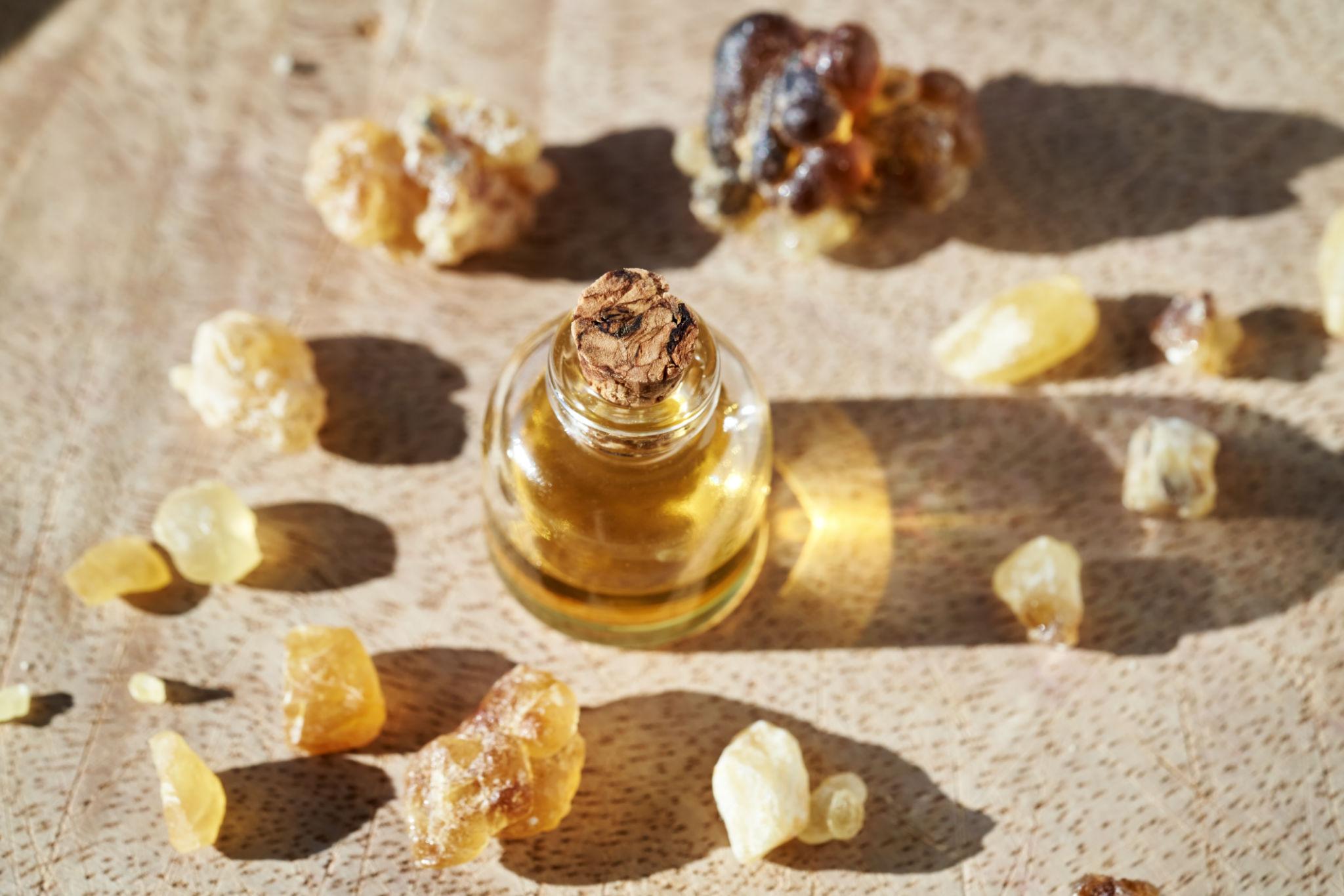
Phthalates in Perfume: Understanding the Hidden Ingredient
When discussing phthalates in perfume, it is essential to understand what these compounds are and why they became widely used in fragrance chemistry. Phthalates are synthetic chemicals primarily used as plasticizers, but in perfumery they function as solvents and fixatives. The reference explains their industrial role and chemical structure, clarifying why they can stabilize volatile aromatic molecules. In fragrance applications, phthalates in perfume help scents evaporate more slowly, increasing projection and longevity on the skin.
For decades, many commercial houses relied on phthalates in fragrance to maintain consistency across large-scale production. Their ability to dissolve certain aroma compounds and prevent rapid evaporation made them attractive for mass-market formulations. However, as consumer awareness has increased, the question do perfumes contain phthalates has moved from technical curiosity to health-driven concern.
Why Phthalates Became Popular in Fragrance Chemistry
To understand phthalates in perfume, we must look at performance requirements in modern perfumery. Fragrance formulas are complex blends of volatile and semi-volatile molecules. Some evaporate within minutes, while others linger for hours. Achieving balance requires technical precision.
Phthalates in fragrance were introduced because they improve diffusion control. They help anchor lighter top notes, allowing citrus or floral elements to persist longer. They also ensure that solid or difficult-to-dissolve materials blend smoothly into alcohol-based sprays.
In industrial contexts, stability equals predictability. Global brands distribute products across climates ranging from humid tropics to dry deserts. Chemical stabilizers offered uniform performance regardless of storage conditions. This practicality contributed to the widespread adoption of phthalates in perfume during the late twentieth century.
Yet the technical advantages that once defined modern efficiency are now being reevaluated. Consumers increasingly want to know not only how a fragrance performs, but how it interacts with long-term health.
Phthalates in Perfume Side Effects and Scientific Debate
The growing discussion around phthalates in perfume stems from research exploring potential endocrine disruption. Certain phthalates have been studied for their ability to interfere with hormone systems under specific exposure conditions. While regulatory agencies set limits on approved compounds, debate continues within scientific communities.
The phrase phthalates in perfume side effects often refers to concerns such as hormonal imbalance, developmental sensitivity, and respiratory irritation. Some studies suggest that prolonged or high-level exposure may influence reproductive health or immune response. It is important to emphasize that risk levels vary depending on dosage, frequency, and individual sensitivity.
Nevertheless, public awareness has shifted the market. The question do perfumes contain phthalates is now frequently asked before purchase. Transparency has become a mark of trust. Many brands clearly label products as phthalate-free, responding to consumer demand for safer formulations.
In luxury perfumery, perception matters as much as performance. Even the possibility of risk can influence brand identity. As a result, the industry is gradually transitioning toward alternative stabilizing strategies.
Natural Fixatives as an Alternative to Phthalates
Long before synthetic plasticizers entered perfumery, artisans relied on natural fixatives to extend fragrance longevity. Resins, woods, and balsams provided depth while stabilizing lighter notes. Revisiting these traditions offers insight into alternatives to phthalates in perfume.
Frankincense, myrrh, benzoin, labdanum, and sandalwood have been used for centuries not only for their scent but for their anchoring qualities. These materials bind volatile molecules naturally, creating a slower, more graceful evaporation curve.
For example, Royal Green Hojari Frankincense represents the rarest 1% of Boswellia sacra resin harvested from Oman’s Dhofar region. Revered for over 5,000 years, its citrus-bright yet earthy aroma acts as both spiritual incense and natural aromatic stabilizer. Ethically sourced and meticulously selected, it reflects a philosophy rooted in purity and heritage rather than synthetic enhancement.
By integrating botanical resins, perfumers can achieve longevity without reliance on phthalates in fragrance. The result is not merely safer composition, but a more textured olfactory experience.
Do Perfumes Contain Phthalates in Today’s Market?
The modern answer varies. Large-scale commercial fragrances may still incorporate approved phthalates in perfume formulations for stability and cost efficiency. However, niche and artisan brands increasingly avoid them, emphasizing natural or low-toxicity alternatives.
Consumers searching do perfumes contain phthalates often discover that ingredient transparency is inconsistent. Fragrance formulas are sometimes protected under proprietary labeling, which can obscure specific compounds. This lack of clarity has fueled further demand for open disclosure.
As awareness grows, regulatory scrutiny and market pressure encourage reformulation. Many contemporary brands position themselves as clean, consciously crafted, and free from controversial additives. The conversation around phthalates in perfume now intersects with broader discussions about sustainability, ethical sourcing, and ingredient integrity.
The Philosophy Behind Phthalate-Free Perfumery
Beyond chemistry, the debate over phthalates in perfume reflects a philosophical divide. Industrial efficiency prioritizes scalability and uniformity. Traditional craftsmanship prioritizes material integrity and sensory authenticity.
Choosing botanical fixatives does not reject science; it refines its application. It recognizes that longevity can arise from layered resins and woods rather than synthetic stabilizers. It embraces complexity over convenience.
The phrase phthalates in perfume side effects symbolizes this turning point. Consumers no longer evaluate fragrance solely on projection or sillage. They consider how ingredients align with long-term well-being and environmental responsibility.
Luxury, in its modern form, is increasingly defined by transparency. Brands that openly communicate formulation choices earn trust. Those that rely on outdated chemical shortcuts risk reputational erosion.
Conclusion: Choosing Fragrance with Awareness
Understanding phthalates in perfume empowers informed decision-making. These compounds once represented technological advancement in fragrance stabilization. Today, they represent a crossroads between efficiency and responsibility.
While phthalates in fragrance may still appear in certain formulations, the market increasingly favors alternatives rooted in natural fixatives and transparent labeling. Consumers asking do perfumes contain phthalates are not rejecting scent. They are demanding accountability.
Ultimately, fragrance should enhance identity without compromising health. As awareness surrounding phthalates in perfume side effects continues to evolve, the future of perfumery lies in balancing scientific innovation with botanical tradition. When integrity guides formulation, scent becomes not only luxurious but consciously refined.
- Ali Attar