Visit our Library and download Free exclusive e-books — click to discover and begin reading.
Amber vs Ambergris Explained
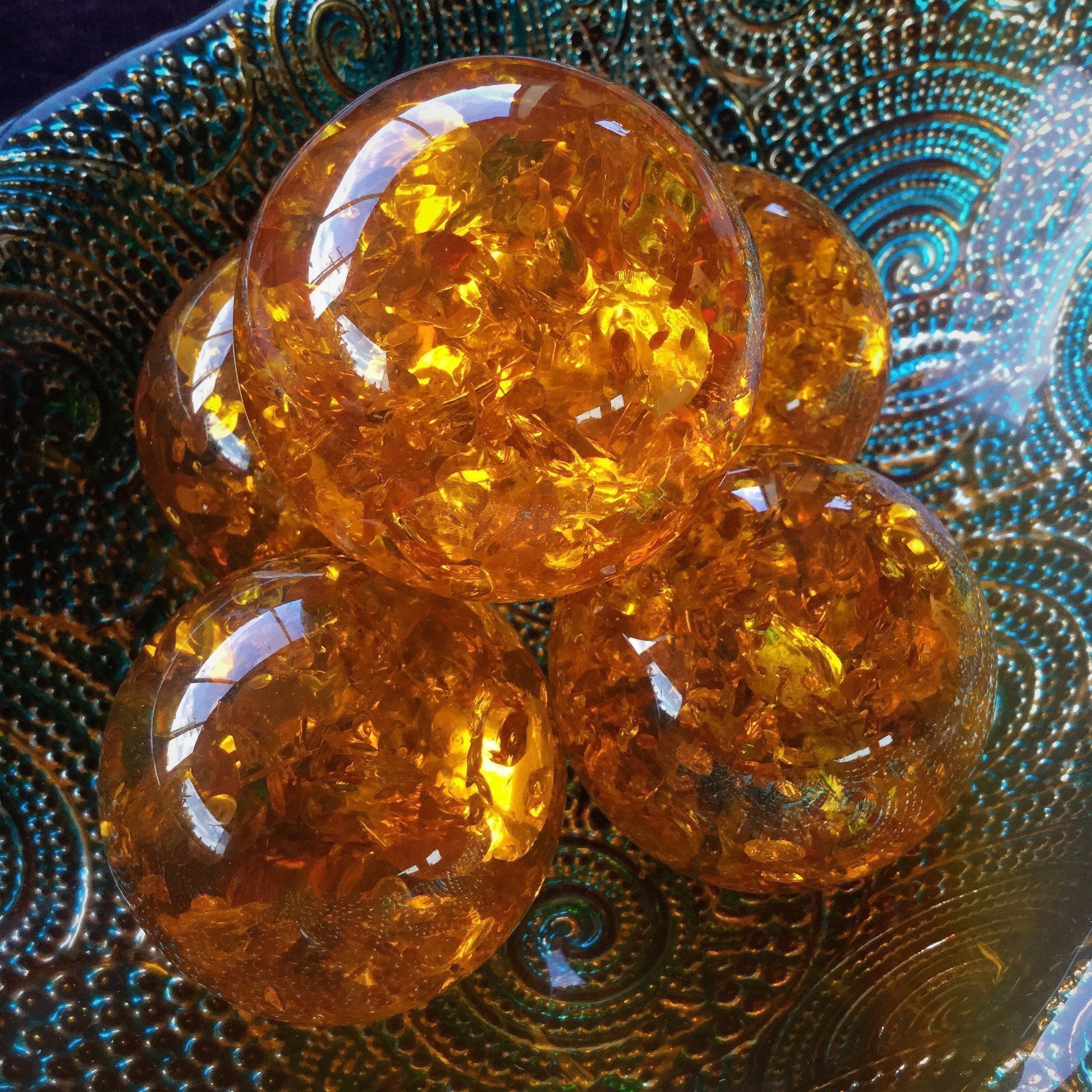
Amber vs Ambergris: Two Materials, Two Histories, One Endless Confusion
People searching amber vs ambergris are usually trying to answer a simple question: why do two completely different materials share the same name in perfumery? According to Ambergris, the substance originates in the digestive system of sperm whales and was historically prized for its ability to fix and soften perfume compositions. Amber, on the other hand, is fossilized tree resin, valued for its beauty and burned as incense long before it ever entered fragrance language. The overlap is linguistic, not material.

Amber Is a Geological Material, Not a Perfume Ingredient
Amber begins as sticky resin released by ancient trees. Over millions of years, pressure and heat transform that resin into a hardened fossil. In its raw form, amber has almost no usable scent for perfumery. This is why modern perfumes do not use real amber as an aromatic ingredient. When people think they smell “amber” in a fragrance, they are responding to a constructed illusion rather than the material itself.
Amber in Perfume Is an Accord, Not an Object
In fragrance, amber usually refers to an accord built from resins, balsams, vanilla facets, and sometimes labdanum. This accord is designed to feel warm, golden, and enveloping. It is a stylistic choice, not a substance. This is where ambergris vs amber confusion starts, because one term describes a style while the other describes a material. They do not perform the same role, and they are not interchangeable.
Ambergris Is a Material That Alters Structure
Ambergris behaves differently. It does not announce itself with sweetness or resinous weight. Instead, it modifies how other notes behave over time. Historically, perfumers valued ambergris because it smoothed transitions, extended longevity, and gave a composition a continuous, almost breathable quality. When comparing amber vs ambergris, this structural role is the most important difference.
Why Ambergris Smells Different on Skin
Fresh ambergris is harsh and unpleasant. Only after long exposure to saltwater, sunlight, and oxidation does it become soft, slightly sweet, and animalic. This transformation explains why ambergris is associated with depth rather than impact. Amber fragrances tend to be immediately recognizable. Ambergris reveals itself slowly, often hours into wear, which is why ambergris vs amber comparisons require patience.
The Mistake of Judging on First Spray
Most people evaluate perfume far too early. Amber-based fragrances show their character quickly because the accord is built for immediacy. Ambergris-based compositions often feel quiet at first. Their value appears in the drydown, when the scent becomes smoother, rounder, and more stable. This is where amber vs ambergris stops being theoretical and becomes experiential. 
Why “Amber Greece” Keeps Appearing in Searches
The phrase amber greece exists because multiple meanings collide. Some people refer to amber jewelry markets. Others mean resin trade routes. Others assume ambergris has a geographic origin. In perfumery, amber greece has no technical meaning at all. It is a symptom of how poorly the topic is explained online, not a category worth chasing.
Legality and Ethics Are Not the Same Everywhere
Ambergris is legal in some countries and restricted in others. This variability has pushed many brands toward synthetic substitutes, which replicate certain facets but not the full behavior of natural ambergris. Transparency matters. If a brand cannot explain sourcing, testing, and legality clearly, the material claim should be questioned, regardless of how poetic the description sounds.
Learning Through Direct Reference
Understanding ambergris requires exposure, not theory. Our Ambergris collection exists to provide that reference point without exaggeration. Each oil is documented, lab tested, and presented without mythology, allowing wearers to understand how the material behaves on its own.
A Controlled Way to Compare Both
To settle the amber vs ambergris question for yourself, use amber vs ambergris as a benchmark. Apply it alone on clean skin, then compare it to a classic amber fragrance over the course of a full day. The difference is not louder or softer. It is structural, and once understood, it cannot be unseen.
- Ali Attar