Visit our Library and download Free exclusive e-books — click to discover and begin reading.
Oud vs Musk
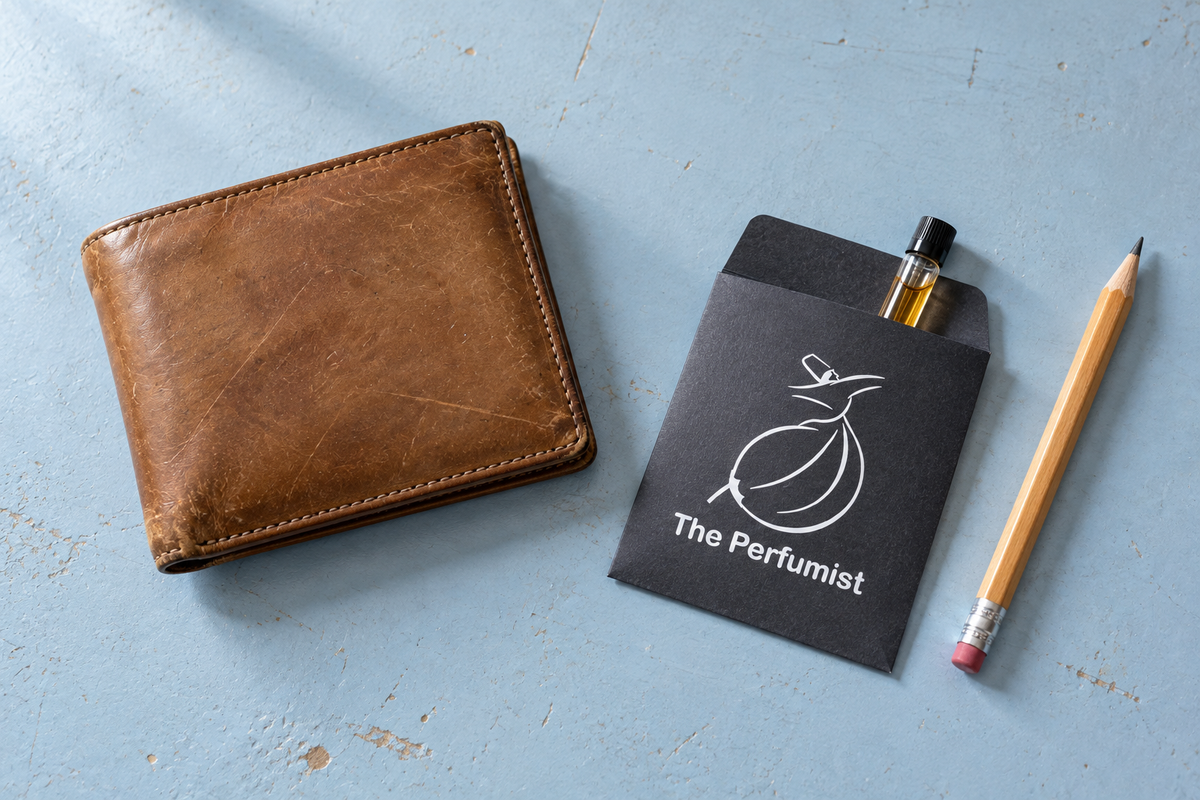
Oud vs Musk: The Difference I Smell as a Perfumist
People ask me to compare oud vs musk as if I must choose one winner. I understand why. Both materials can be deep, expensive, long-lasting, and closely tied to the history of perfume.
But the simple answer is this: oud gives a perfume structure, shadow, and presence. Musk gives it warmth, skin, and intimacy.
That is the easiest distinction to remember.
It is not the whole story, because genuine oud can be sweet and luminous, while genuine musk can be dark and animalic. Still, if you begin with structure versus skin, the comparison becomes much easier.

The Simple Oud vs Musk Answer
If you want more presence, begin with oud. If you want something closer to the skin, begin with musk. If you want both depth and softness, use them together—but only after you understand what each material is doing.
Oud Is Structure
Oud can create the spine of a perfume. It can feel woody, resinous, smoky, leathery, earthy, medicinal, fruity, honeyed, or even cool. The exact scent profile depends on the wood, resin, origin, distillation, fermentation, age, and the nose evaluating it.
When I smell oud oil, I do not expect one fixed smell. I expect movement. A good oud may begin sharp, become warm, reveal fruit or leather, and finish with a quieter resinous sweetness.
Musk Is Skin
When I reverse the question to Musk Vs Oud, musk still works differently. Musk can feel warm, round, powdery, clean, sweet, animalic, or almost like warm skin. A musk oil can soften edges and make a perfume feel lived-in rather than placed on top of you.
This is why people often describe musk as intimate. It does not always need to announce itself across a room. Sometimes its power is the way it stays near you.

Why People Confuse Them
People confuse oud and musk because both are often used as base materials. Both can give longevity. Both appear in traditional attar, modern perfume, incense culture, and luxury fragrance. They are also frequently blended together.
But being used in the same perfume does not make them the same material. Rose and sandalwood can sit in one formula without becoming the same thing. Oud and musk are no different.

What Oud Actually Is
Oud begins with agarwood. In certain trees, including species within Aquilaria and Gyrinops, a resinous response develops in the wood. That transformed resin-rich wood is the material valued as agarwood, aloeswood, or oud.

The Tree Is Not Automatically Oud
This matters because pale, ordinary wood is not the same as deeply resinous agarwood. The tree name alone does not tell you the grade, resin content, aroma, or value.
When I compare pieces, I look at the material itself. Country names can guide you, but the individual piece remains more important than the flag attached to it.

Resin Changes the Wood
The resin creates the fragrant character people seek. It darkens and weights parts of the wood, but color by itself is not a complete quality test. A beautiful piece must still be smelled, handled, and understood.
That is why photographs are useful but never final. You cannot judge all the dimensions of oud through a screen.


Oud Wood and Oud Oil Are Different Forms
Oud wood may be heated as incense. Oud oil is extracted from prepared agarwood, commonly through forms of distillation. The wood gives smoke and vapor when heated; the oil is placed on skin or used within an attar or perfume.
The word oud may refer to the wood, its scent, the distilled oil, or even a perfume accord made to suggest oud. You must ask which form is being discussed.


Distillation Shapes the Aroma
Soaking time, water, heat, vessel, fermentation, the cut of the wood, and the decisions of the distiller can change what you smell. Two oils from related material can still feel very different.
This is why I resist sentences such as “all oud smells smoky.” Some oud does. Some does not. A careful comparison leaves room for sweetness, fruit, earth, leather, herbs, incense, flowers, and cool resinous notes.

Origin Matters, but It Does Not Decide Everything
Indian, Cambodian, Vietnamese, Malaysian, Laotian, Chinese, Thai, Bornean, and other oud traditions have recognizable tendencies. Tendencies are not laws.
A poor batch from a famous origin does not become excellent because its country has a strong reputation. A remarkable batch from a less fashionable origin does not become ordinary because the market talks about it less.


Oud Can Feel Dark or Bright
Many people meet oud through heavy commercial accords. They assume darkness is the definition. Natural oud oil can surprise them. It may contain an airy sweetness, a green lift, a fruit-like warmth, or a clean woody transparency.
Darkness is one expression of oud, not its entire identity.


What Musk Actually Is
Musk requires more careful language because the word is used for several different things. Historically, musk referred to an aromatic secretion associated with male musk deer. In modern fragrance, “musk” may also describe synthetic musk molecules or a musk-style botanical composition.
These are not interchangeable categories.

Historical Musk
Historical natural musk was valued for its powerful aroma, fixative character, and ability to change during maturation and dilution. In raw form, it may be far more animalic than the soft “clean musk” many people know today.
When someone says natural musk, I want to know exactly what material, age, preparation, testing, and legal provenance they mean.

Modern Synthetic Musk
Modern perfumery uses several families of synthetic musk molecules. They are important because they can create cleanliness, diffusion, warmth, texture, and longevity at commercial scale.
But a synthetic musk accord should not be presented as aged natural musk. They may occupy a related olfactory role while remaining different materials.

White Musk Is a Style
White musk usually describes a clean, soft, smooth musk style. It may feel like fresh fabric, warm skin, powder, soap, or a quiet floral veil. The term does not automatically identify one botanical or animal source.
This is where marketing language can become confusing. A name describes the intended scent profile; it does not always disclose the formula.

Natural Musk Can Be Animalic
Natural musk may carry warmth, leather, fur, earth, sweetness, and an animalic depth. Proper preparation and maturation can make it rounder and more integrated, but it should not be reduced to a simple “clean laundry” description.
Animalic does not automatically mean dirty. In perfumery, it often means bodily warmth, depth, and life.

A Musk Oil Is a Finished Preparation
Raw musk material and musk oil are not the same format. A finished musk oil has been prepared so the aromatic material can be evaluated and worn. Its supporting oils and the maker's method affect the final experience.
When buying, ask whether the seller is describing raw material, a tincture, an oil preparation, an attar, or a modern perfume accord.


Provenance Matters More Than Romance
Rare materials attract dramatic stories. I prefer documentation, testing, traceable sourcing, and a clear explanation of what is actually inside the bottle.
The Perfumist records its Vietnamese Tonkin Musk Oil as a specific natural musk preparation. When studying that house example, use oud vs musk as the linked phrase and read the product's material description outside the anchor.

Musk Vs Oud Side by Side
Now we can compare them directly. The table is useful, but remember that every line describes a tendency, not an unbreakable law.

Source
Oud comes from resinous agarwood. Historical natural musk comes from a very different biological source. Synthetic musk is constructed through fragrance chemistry. A musk-style botanical blend is a composition, not literal deer musk.
The sources could hardly be more different, even when the finished aromas sit beautifully together.

First Smell
Oud may open with resin, earth, smoke, wood, fruit, leather, medicine, honey, or green facets. Musk may open softly, cleanly, sweetly, powdery, warmly, or sharply animalic.
The first minute is informative, but it is not the final judgment.

I label my comparison strips before I smell them, then keep each sample beside its own notes. A simple A and B is enough. I write down what catches my attention before checking the names again; otherwise, an impressive label can start doing the judging for me. Those first notes are a starting point, not a verdict.

Development on Skin
Natural oud often changes in noticeable stages. Musk may change more quietly, becoming part of the wearer's skin scent. Yet a strong animalic musk can be more forceful than a gentle oud.
This is why I test materials rather than relying on category stereotypes.

Projection
Oud is associated with presence, but concentration and application matter. One small swipe of concentrated oud oil may feel more controlled than several sprays of a commercial oud perfume.
Musk is associated with intimacy, but some musk materials diffuse strongly. “Soft” does not always mean weak.

Longevity
Both oud and musk are commonly used for lasting base effects. Longevity depends on the formula, concentration, supporting materials, skin, fabric, climate, and amount applied.
I do not promise a universal number of hours based only on the ingredient name.


Texture
Oud can feel angular, carved, resinous, or layered. Musk can feel rounded, velvety, airy, creamy, or fur-like. In a composition, that textural contrast is one reason they pair so naturally.
One defines the shape. The other changes how the shape touches the skin.

Emotional Effect
To me, oud often feels grounding and deliberate. Musk often feels personal and human. That is an olfactory judgment, not a medical promise.
Your memory and culture may give the same materials completely different meanings.

Season
People often reserve oud for winter and musk for warmer weather. That can work, but it is not a rule. A light oud can be beautiful in heat. A dense musk can feel perfect in cold air.
Choose the individual oil, not the seasonal stereotype.

Occasion
Oud can suit a meeting, ceremony, evening, or any moment when you want a defined presence. Musk can suit private time, daily wear, close conversation, or an evening when you want the perfume to stay nearer.
The amount you apply can change the occasion more than the ingredient name.

Gender
Neither material belongs to one gender. Marketing may present dark oud as masculine and soft musk as feminine, but the materials themselves do not obey those shelves.
Wear the scent profile that feels truthful on you.

Price
Genuine rare oud and genuine historical musk preparations can both be extremely expensive. Price should reflect material, sourcing, labor, age, rarity, testing, and the credibility of the seller—not a dramatic story alone.
A costly label does not replace evaluation.

Before I consider a full bottle, I want to know what the sample actually represents: a finished perfume, an oil-based blend, or a material sold for evaluation. I also check the stated size and description. A sample gives me a smaller decision to make first; neither its packaging nor its price tells me whether I will enjoy wearing it.

How Oud and Musk Work Inside Perfume
This is where the comparison becomes more useful. Perfumery is not only a list of ingredients. It is the relationship between them.


Oud Builds the Frame
Oud can hold darker woods, smoke, leather, flowers, spices, ambergris, or resins. Even when used in a small quantity, it can give the perfume a recognizable center.
The best oud does not need to shout. Its structure may be felt before it is consciously named.

Musk Softens the Edges
Musk can connect materials that otherwise feel separate. It may smooth a sharp floral edge, warm a dry wood, extend a base note, or create a skin-like finish.
This is one reason musk appears in so many formulas, including perfumes that do not advertise musk in the name.

Together They Create Contrast
Oud gives darkness and contour; musk gives warmth and diffusion. The combination can move from carved wood to warm skin without losing identity.
But balance matters. Too much heaviness can flatten the perfume. Too much softness can hide the character of the oud.

They Do Not Have to Be Layered at Home
People hear that oud and musk work together and immediately pour or swipe two finished products on top of each other. Sometimes this works. Sometimes each oil was already balanced and needs nothing added.
The Perfumist's archived Oud, Rose, Musk set was specifically presented as three individual oils to appreciate separately. A good formula deserves to be smelled as its maker intended before you experiment.

I give a finished fragrance its own page in my notebook before thinking about combinations. What feels dominant at the opening may not be what I notice later. Keeping the other samples closed lets me describe this composition on its own terms. Sometimes the balance I was hoping to create is already there, and I prefer to leave it alone.

Attar and Alcohol Perfume Behave Differently
An oil-based attar usually sits closer and develops through direct contact with skin. An alcohol perfume often opens with greater immediate diffusion. The percentage and quality of aromatic material can change both experiences.
Do not compare an oud oil with a musk spray and assume the difference comes only from oud and musk. You are also comparing formats.


How I Evaluate Oud vs Musk on Skin
When I compare materials, I try to remove unnecessary noise. I do not begin with a long list of marketing notes. I begin with the smell.

Smell Each One Alone
Place oud on one area and musk on another. Do not layer them immediately. You need to understand the independent scent profile before judging the combination.
If you begin with a blend, you may credit musk's warmth to oud or oud's resinous structure to musk.

Use a Small Amount
Concentrated perfume oil does not need to flood the skin. A small controlled application allows you to follow its development without exhausting your nose.
More product does not automatically reveal more quality.

Wait Beyond the Opening
Smell after application, then return after fifteen minutes, an hour, and several hours. Oud may unfold through stages. Musk may become more integrated and personal as the louder opening disappears.
A quick paper-strip judgment can miss the part that matters most.

Compare Skin and Fabric Carefully
Skin adds warmth, moisture, and personal chemistry. Fabric can preserve certain notes differently. Test both if the product instructions allow it, but do not assume they will smell identical.
Always patch-test unfamiliar oils and follow the product's safety guidance.


Notice Distance
Ask how the perfume behaves close to the skin, at arm's length, and as you move. Projection is not only volume. It is also the shape and continuity of the scent around you.
Musk may appear quiet until the wearer moves. Oud may remain more clearly defined.

Write Plain Words
I prefer useful words before poetic ones. Write “dry wood,” “warm skin,” “smoke,” “powder,” “fruit,” “leather,” “sweet resin,” or “clean fabric.” Then add emotion.
Plain observation keeps your comparison honest.


Choosing Musk Vs Oud for Yourself
There is no honest answer without asking what you want the perfume to do.


Choose Oud for Presence
Choose oud when you want structure, recognizable character, resinous depth, or a perfume that feels deliberate. Begin with a small amount and let the oil speak before adding anything else.
For a current house example, open oud vs musk and review Hainan Oud outside the linked anchor.

Choose Musk for Intimacy
Choose musk when you want warmth, softness, a skin-like finish, or a base that feels close and personal. Decide first whether you are seeking clean white musk, a modern synthetic musk profile, or a documented natural musk preparation.
Do not let one word hide three different categories.

Choose Oud for Change
If you enjoy following a material through several stages, natural oud can be fascinating. The opening, heart, and drydown may show different faces of the same oil.
That evolution is part of the pleasure.

Choose Musk for Cohesion
If you enjoy a perfume that feels rounded and connected, musk can be the better starting point. Musk often helps separate notes feel like one continuous texture.
This does not make musk simple. Softness can contain great complexity.

Choose a Blend for Contrast
Choose a composed oud and musk perfume when you want both architecture and skin warmth. Look for a formula where you can still identify the character of each material.
If everything becomes one heavy cloud, the blend may have intensity without clarity.


Choose by Climate Last
Climate matters, but it should not be your first question. Test the individual oil in your environment. A bright oud may work beautifully in heat, while a dense musk may become richer in winter.
Your skin gives a better answer than a seasonal marketing chart.

Choose by Concentration
An oil, attar, eau de parfum, and elixir can behave differently even when all mention oud or musk. Read the format and concentration before comparing performance.
The ingredient name cannot explain the entire formula.

Choose by Provenance
For rare natural material, ask who made it, what form it is, how it was tested, and whether its sourcing is documented. With agarwood, responsible international trade matters because Aquilaria and Gyrinops are CITES-listed genera.
With natural musk, legal and ethical sourcing deserves the same seriousness.


Choose What You Will Actually Wear
Do not buy oud because somebody told you it is more powerful. Do not buy musk because somebody told you it is easier. Buy the material that continues to feel right after the first dramatic minute.
The best perfume is the one whose character still makes sense on your skin.


Frequently Asked Questions About Oud vs Musk
These are the questions I hear most often when someone is making the comparison for the first time.
Is Oud Stronger Than Musk?
Sometimes, but not automatically. A forceful oud can project more than a soft musk, while an animalic musk can dominate a delicate oud. Concentration, material, and application decide more than the category name.

Which Lasts Longer?
Both can last for many hours in a concentrated composition. Oud and musk are regularly used in base structures because they can remain after lighter notes fade. Test the specific product rather than accepting one universal number.

Can Oud and Musk Be Worn Together?
Yes. They can create a beautiful contrast between resinous wood and warm skin. Start by smelling each oil alone, then layer very small amounts if the products were designed to permit layering.

Is Musk Always Clean and Powdery?
No. Clean white musk is one modern style. Historical natural musk can be warm, leathery, sweet, earthy, and animalic. Synthetic musk materials also vary widely in cleanliness, diffusion, texture, and warmth.

Is Oud Always Smoky?
No. Oud can be smoky, but it can also be fruity, green, honeyed, medicinal, leathery, floral, cool, or sweetly resinous. Origin and distillation influence which facets appear.

Is Natural Musk the Same as Musk Perfume?
No. Natural musk refers to a specific material category. A musk perfume may use synthetic musk molecules or a musk-style accord. The label should explain the form rather than asking you to guess.
Are Oud and Musk Unisex?
Yes. Both can be worn by anyone. The gender language around them usually comes from marketing, concentration, surrounding notes, and cultural presentation—not a rule inside the material.

Should a Beginner Start With Oud or Musk?
Begin with musk if you want a softer, closer introduction. Begin with oud if you are curious about resinous development and stronger character. Better still, smell one honest example of each side by side.

Can I Judge Them From a Paper Strip?
A strip can show the opening and help keep comparisons organized. Skin reveals warmth, diffusion, and personal development. For a real decision, use both and give the materials time.

For a useful paper comparison, I mark the dry handle before applying the sample and give each strip its own place. I keep the scented ends apart and match my notes to the labels. This is simple organization, not a laboratory result: it helps me remember which opening I liked, while leaving the wearing decision for a separate evaluation.

What Is the Best Oud and Musk Combination?
The best combination preserves clarity. You should feel oud giving structure and musk giving warmth without either material becoming muddy. Rose, sandalwood, ambergris, leather, and spice can bridge the two, but they should serve the composition.

Does More Oud Mean Better Perfume?
No. Quality is not measured only by quantity. A small amount of exceptional oud can shape an entire perfume. Too much can overwhelm the formula and hide the work of every other material.

Does More Musk Mean Longer Performance?
Not automatically. The type of musk, formula, concentration, and interaction with other notes all matter. Longevity without beauty is not the goal.


My Final Musk Vs Oud Answer
My answer is not oud or musk.
My answer is purpose.
Oud is the material I choose when I want the perfume to stand with greater structure, resinous character, and presence. Musk is the material I choose when I want warmth, intimacy, cohesion, and the feeling of scent becoming part of the skin.
When they are used together, oud can give the composition its bones while musk gives it breath.
If you want to see how our house thinks about these materials as part of a personal collection, open oud vs musk and read Ali's explanation outside the linked words.
For a broad historical definition of the second material, oud vs musk links to Wikipedia's musk overview; use it as background, then return to the distinction between historical material, modern molecules, and finished perfume.
That is my honest conclusion to oud vs musk: choose oud for structure, choose musk for skin, and choose both when the composition respects the identity of each.


-Ali Attar