Visit our Library and download Free exclusive e-books — click to discover and begin reading.
What Is Oud and Musk?
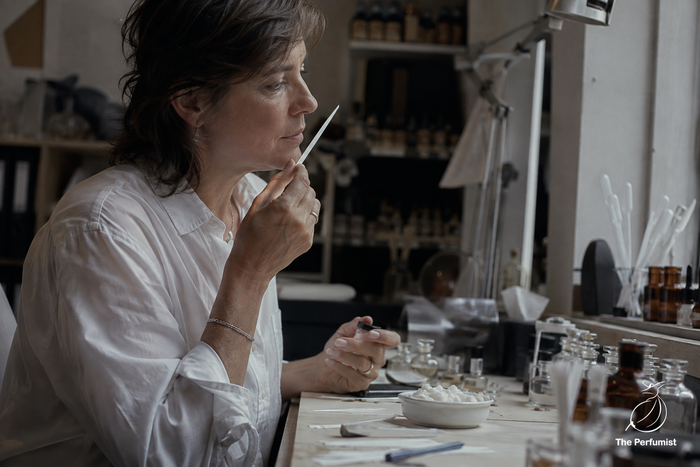
What Is Oud and Musk? The Two Materials I Never Confuse
When someone asks me what is oud and musk, I usually begin by separating the two materials before I speak about combining them.

Oud comes from resinous agarwood. Musk is a completely different aromatic material and scent family. Oud often gives a perfume wood, shadow, resin, movement, and structure. Musk often gives warmth, intimacy, softness, animalic depth, and the feeling that the perfume has settled into the skin.

They can meet beautifully, but they are not the same thing. That is the shortest honest answer.

My Simple Answer Before the Long One
If you remember only one distinction, remember this: oud begins with a tree, while historical musk begins with an animal material and modern musk is most often created through aroma molecules.

That origin changes everything. Oud oil can smell woody, leathery, smoky, green, fruity, medicinal, honeyed, or sweetly resinous. Musk can smell warm, soft, powdery, leathery, sweet, earthy, clean, or strongly animalic.

Neither material has one fixed smell. Their quality, origin, preparation, age, and formula decide what you experience.

This first distinction prevents the most common mistake: treating oud and musk as two names for the same material. The next step is to examine oud on its own.
What Is Oud?
Oud is the aromatic material formed when certain Aquilaria trees produce resin within their wood. The resin-rich wood is known as agarwood. When that material is distilled, the result is oud oil.

I do not describe every dark piece of wood as oud. The word should refer to resinous agarwood or an aromatic product genuinely made from it. A perfume accord that imitates the idea of oud may be beautiful, but it should not be confused with natural oud oil.

Oud Begins Inside the Wood
The most important part is not simply the species name. It is the resin formation inside the wood. Resin changes the weight, color, texture, and aroma of agarwood. A richly resinous section can carry many aromatic facets before it ever reaches a still.

This is why two oud oils from the same country can smell completely different. Tree, location, resin development, harvesting, fermentation, soaking, still design, fire, water, and the hand of the distiller all influence the final oud.

Oud Oil Is an Extraction, Not a Perfume Note List
When I smell real oud oil, I do not expect a simple “woody note.” I expect development. The opening may be sharp, green, fermented, smoky, or medicinal. The heart may become leathery, floral, fruity, or balsamic. The drydown may reveal sweetness, incense, earth, honey, or quiet wood.

A note list can help a beginner, but it cannot replace smelling the oud as it changes.

Why Natural Oud Can Smell So Different
Geography is only one factor. A Cambodian oud may be sweet or dark. A Hindi oud may be earthy or floral. A Vietnamese oud may be bright, cooling, resinous, or deeply animalic. A Hainan oud can move from medicinal wood toward fruit, tea, incense, or soft leather.

Origin gives context; it does not imprison the oud inside one aroma.

Why Oud Is Rare
Not every Aquilaria tree contains the same amount or quality of resin. Fine agarwood takes time, and the most valuable material cannot be created merely by making wood look dark. Genuine resin formation, careful selection, and responsible sourcing matter.

The rarity continues during distillation. A distiller can waste excellent wood through poor preparation or produce a remarkable oud by understanding the material in front of him.

What Is Musk?
Musk is both a historical natural material and a much broader modern scent category. Traditionally, the word referred to the aromatic secretion associated with the male musk deer. Today, most commercial musk perfume relies on synthetic musk molecules or musk-style accords.

That distinction must be stated clearly. “Musk” on a label does not automatically mean natural deer musk, and “white musk” does not identify one natural botanical source.

Historical Natural Musk
Historical natural musk was valued because a very small amount could influence an entire perfume. In its raw state, musk may be forceful, animalic, leathery, earthy, and difficult for an inexperienced nose. With proper aging and careful use, musk can become warmer, sweeter, rounder, and extraordinarily persistent.

I never reduce natural musk to “clean laundry.” That description belongs to one modern musk style, not the whole history of musk.

Modern Synthetic Musk
Modern perfumery uses several families of synthetic musk molecules. Some smell clean and cotton-like. Others feel creamy, fruity, woody, warm, metallic, powdery, or skin-like. They are widely used because they are consistent, scalable, and capable of giving perfume diffusion and longevity.
Synthetic musk is not one ingredient. It is a broad technical family. A well-made synthetic musk accord can be elegant, but it remains different from properly aged natural musk.

White Musk Is a Style, Not One Material
White musk usually describes a clean, smooth, soft musk impression. It may suggest fresh fabric, warm skin, soap, powder, or a transparent floral veil. The phrase is useful as a scent description, but it does not tell you exactly which musk molecules were used.

If a seller presents white musk as one mysterious natural oil without explaining the material, I ask more questions.

Botanical Musk Needs Careful Language
Certain plants have musky aromas, and botanical ingredients can contribute warmth or seed-like musk effects. They should be described by their real names. A botanical musk impression is not deer musk, and it is not automatically identical to a modern synthetic musk accord.

Clear language protects the material and the client.

What Is Oud and Musk When They Enter a Perfume?
Inside a composition, oud and musk usually perform different jobs.

Oud can become the architecture of a perfume. It can create height, darkness, tension, and a resinous center. Musk can connect the formula to the body. It can soften edges, extend the drydown, and create the sensation of warmth under the other notes.

This is why oud and musk are often paired. They answer different needs.

The Main Difference Between Oud and Musk
|
Question |
Oud |
Musk |
|---|---|---|
|
Traditional origin |
Resinous agarwood |
Historical animal material |
|
Modern commercial form |
Natural oud oil or an oud accord |
Mostly synthetic musk molecules or accords |
|
Common impression |
Woody, resinous, smoky, leathery, green, fruity |
Warm, skin-like, powdery, clean, leathery, animalic |
|
Typical role |
Structure, identity, depth, movement |
Warmth, cohesion, texture, persistence |
|
Projection |
Can be expansive or close, depending on the oud |
Can be diffusive or intimate, depending on the musk |
|
Quality test |
Origin, resin, distillation, development |
Material identity, aging or formula, balance, transparency |
Oud Is Not Automatically Stronger
People often say oud is always louder than musk. That is too simple. Some oud oils stay very close to the skin. Some synthetic musk molecules are extremely diffusive. Some natural musk preparations can dominate a perfume if used without restraint.

Strength depends on material, concentration, formula, skin, and time.

Musk Is Not Automatically Softer
Clean musk can feel quiet, but historical natural musk can be raw, animalic, and powerful. Even a smooth modern musk may create a large scent cloud without appearing sharp.

The better question is not “Which is stronger?” It is “How does this particular oud or musk move?”

Oud Is Not Always Smoky
Oud may smell smoky, but smoke is only one possibility. Fine oud can show apricot, tea, camphor, green herbs, damp earth, leather, flowers, honey, old books, polished wood, or incense.

If every oud smells like the same burned-wood accord, I begin to question whether I am smelling natural variation.

Musk Is Not Always Powdery
Powder is one musk effect. Musk can also be salty, warm, leathery, earthy, fruity, sweet, waxy, clean, or animalic. The finished impression depends on whether the perfume uses natural musk, a synthetic musk molecule, or a constructed musk accord.

How I Smell Oud and Musk
I begin without asking which material is more expensive or more fashionable. I want to know what is actually inside the vial and how it develops.

First, I Smell the Opening
The opening tells me how the material arrives. Oud may open with fermentation, green wood, medicine, fruit, smoke, or leather. Musk may open with warmth, powder, animalic sharpness, sweetness, or almost no obvious top note.

I do not judge either material in the first minute.

Then, I Watch the Heart
After the opening settles, the identity becomes clearer. Good oud should continue to move. Good musk should begin to show texture and connection. I look for development rather than a loud beginning followed by emptiness.

Finally, I Study the Drydown
The drydown is where oud and musk often reveal their value. Oud may become smoother, sweeter, woodier, or more incense-like. Musk may become warmer, rounder, and closer to the skin while remaining persistent.

This final stage can take hours. Patience is part of smelling.

Can Oud and Musk Be Worn Together?
Yes. Oud and musk can form one of perfumery’s most satisfying contrasts. Oud gives the composition a resinous spine. Musk gives the oud warmth, texture, and a human scale.

But I do not recommend pouring two oils together blindly. First understand the strength of each oil. Then apply the smaller amount of the stronger material and allow time between layers.

My Layering Order
For skin testing, I usually begin with the material I want closest to the body. That is often musk. I use a very small amount, wait, and then place oud nearby rather than directly on top.

This lets me smell the musk, the oud, and the space between them. If the products were formulated to be layered, I can bring the two points closer during a later test.

When the Pairing Becomes Muddy
Oud and musk become muddy when both materials are overdosed or when neither has a clear role. Adding more oil does not automatically create more beauty. It can erase contrast.

The best oud and musk compositions let me recognize the wood and the skin at the same time.

Attar, Oud Oil, Musk Oil, and Alcohol Perfume
These terms should not be treated as interchangeable.

Oud oil is an aromatic extraction from agarwood. Musk oil is a preparation centered on musk material or a musk accord. Attar is a broader traditional perfume form and may contain oud, musk, rose, sandalwood, ambergris, spices, flowers, or other materials. Alcohol perfume is another delivery system with different diffusion.

The material and the format both shape what you smell.

Why Oil Feels Different on Skin
Oil usually stays closer to the application point and unfolds through warmth and contact. It can feel private and gradual. Alcohol perfume often creates a faster cloud because the volatile carrier evaporates.
That does not make every oil stronger or every spray weaker. It means the perfume reaches the air differently.

Oud Accord Is Not Oud Oil
An oud accord is a perfumer’s construction designed to suggest oud. It may contain woods, smoke, leather, amber, resins, and synthetic materials. An accord can be skillful, but it should be identified honestly.

Natural oud oil begins with real agarwood.
Musk Accord Is Not Historical Natural Musk
A musk accord can combine several synthetic musk molecules with flowers, woods, amber, or powdery notes. It may smell beautiful and last for many hours. It remains a constructed musk impression.

Historical natural musk is a different material with different sourcing, legal, conservation, and olfactory questions.

Culture, Ritual, and Personal Memory
Oud and musk were valued long before modern fragrance marketing. They moved through courts, trade routes, homes, ceremonies, spiritual settings, and private collections.

That history matters, but it should not become decoration. I prefer to discuss what the material is, how it was prepared, and why the wearer values it.
Oud in the Home and on the Body
Agarwood may be appreciated as wood, incense, oil, or part of an attar. Burning agarwood and wearing oud oil are related experiences, but they are not identical. Heat reveals one side of the material; distillation and skin reveal another.

Musk as a Private Scent
Musk has often been associated with the body, fabric, personal fragrance, and formulas designed to endure. Its closeness is part of its appeal. Even when musk projects, it can create the impression that the scent belongs to the person rather than floating above them.

Why Memory Changes the Answer
One client may connect oud with a family gathering. Another may connect musk with clean clothing, a ceremonial perfume, or an old bottle kept by a relative. These memories do not change the chemistry, but they change the experience.

Perfume is material plus memory.
Buying Oud and Musk Without Confusion
The first rule is to ask what the seller means by the words.

Ask About the Oud
Ask whether the product contains natural oud oil or an oud accord. If it is natural oud, ask about origin, distillation, age, batch, and whether the seller can explain how the agarwood was sourced.

Ask About the Musk
Ask whether the musk is natural, botanical, synthetic, or an accord. If a seller claims natural deer musk, ask for precise provenance, testing, age, preparation, and legal documentation appropriate to the jurisdiction.

For broad background on agarwood terminology, what is oud and musk connects to Wikipedia’s agarwood overview.

Ask About Concentration
Oil, attar, eau de parfum, extrait, and elixir do not behave identically. Ask how much aromatic material is present and what carrier was used. Concentration alone does not guarantee quality, but it affects diffusion and performance.

Smell Before You Decide
Whenever possible, test on paper and skin. A strip helps organize the comparison. Skin reveals warmth, development, projection, and personal chemistry. Give oud and musk several hours before deciding.
I compare oud and sandalwood on separate strips before I bring either material to skin. The contrast helps me smell the oud’s resin and the sandalwood’s softer grain without confusing one material for the other.


Frequently Asked Questions
Is Oud a Type of Musk?
No. Oud comes from resinous agarwood. Musk is a separate material and scent family. They may appear in the same perfume, but one is not a form of the other.

Is Musk Made From Oud?
No. A musk perfume may contain oud, and an oud perfume may contain musk, but musk is not produced from agarwood.

Is Oud Always Natural?
No. “Oud” on a commercial perfume can refer to natural oud oil, a mixture containing some natural oud, or an oud accord without natural oud. The formula or seller should clarify the form.

Is Musk Always Synthetic Today?
Most commercial musk perfume uses synthetic musk materials, but historical natural musk and botanical musky materials also exist. The word alone does not identify the source.

Which Lasts Longer, Oud or Musk?
Either can last a long time. Longevity depends on the exact oud, musk, concentration, formula, carrier, skin, climate, and application. Material identity matters more than a simple category rule.

Which Is Better for Beginners?
Begin with one honest example of each. A soft musk may feel easier, while a gentle oud can be equally approachable. Avoid assuming that beginners must start with synthetic white musk or the loudest possible oud.

Are Oud and Musk Unisex?
Yes. Oud and musk can be worn by anyone. Gender labels usually reflect marketing, culture, concentration, and surrounding notes rather than a rule inside the materials.

Can I Layer Oud and Musk Every Day?
Yes, if the products suit your skin and were designed to be used that way. Start with tiny amounts. Oud and musk can both be persistent, so restraint often produces a clearer perfume.

Does Expensive Mean Natural?
No. Price does not prove natural oud or natural musk. Ask for material identity, origin, documentation, batch information, and a description that makes sense.

What Should Oud and Musk Smell Like Together?
There is no single answer. A balanced pairing may feel woody and warm, resinous and skin-like, smoky and soft, or leathery and sweet. The important point is that the oud and musk remain clear enough to create contrast.

My Final Answer
If you ask me what is oud and musk, I will not give you a battle between two fashionable notes.

Oud is resinous agarwood transformed into scent. Musk is a separate historical material and modern aromatic family whose forms must be identified carefully. Oud often gives perfume structure, wood, resin, shadow, and movement. Musk often gives perfume warmth, texture, intimacy, and persistence.

Together, oud and musk can create a complete architecture: oud becomes the bones, and musk becomes the warmth around them.

This is the answer I give whenever what is oud and musk is the question placed in front of me.

That is why I never confuse the two, and why I never ask one to replace the other.
-Ali Attar