Visit our Library and download Free exclusive e-books — click to discover and begin reading.

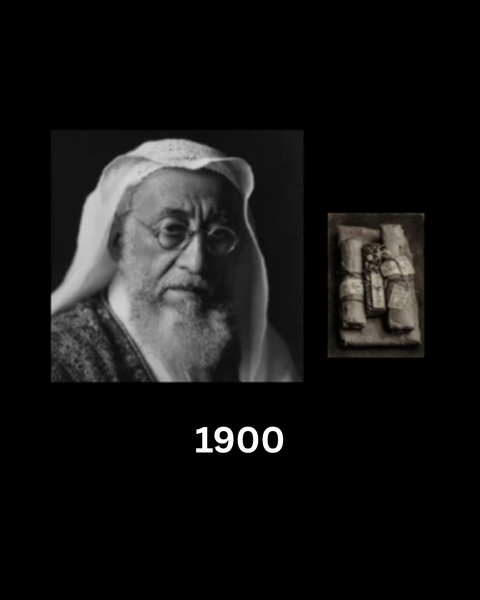
This portrait introduces Kaseem Al-Attar, born into a House already known through trade, stored materials, and public presence. His generation would later protect the craft as the world around it began to change.

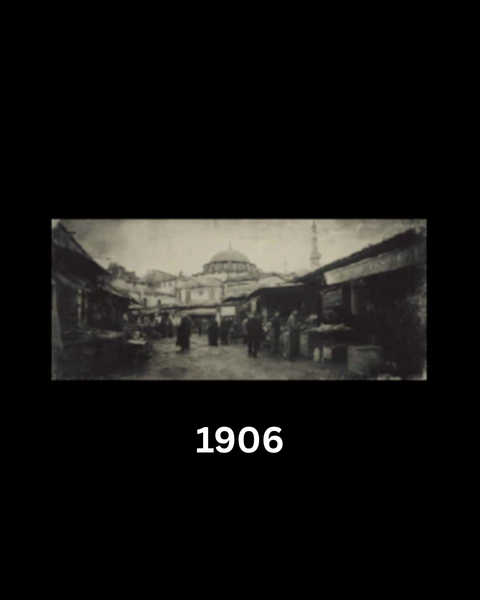
These wrapped aromatic parcels show continued orders and trusted buyer relationships around the House. Before the political world shifted, the family was still working through prepared materials, private requests, and repeat clients.

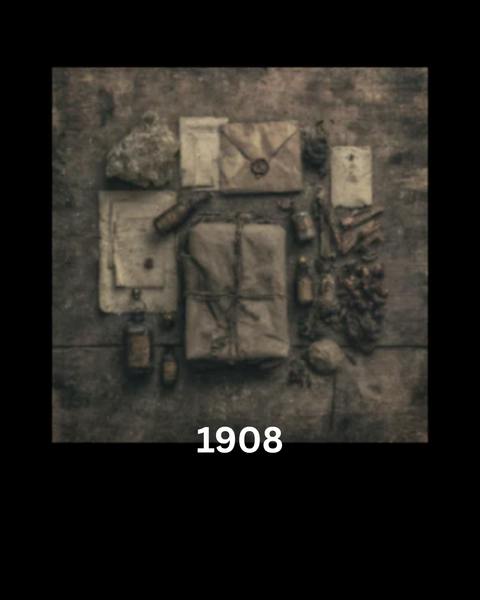
This preserved travel parcel from 1908 is connected to the House’s relationship with Hussein bin Ali, Sharif of Mecca. Rose, ambergris, frankincense, myrrh, sandalwood, and natural oils carried the House through trusted hands into royal attention.

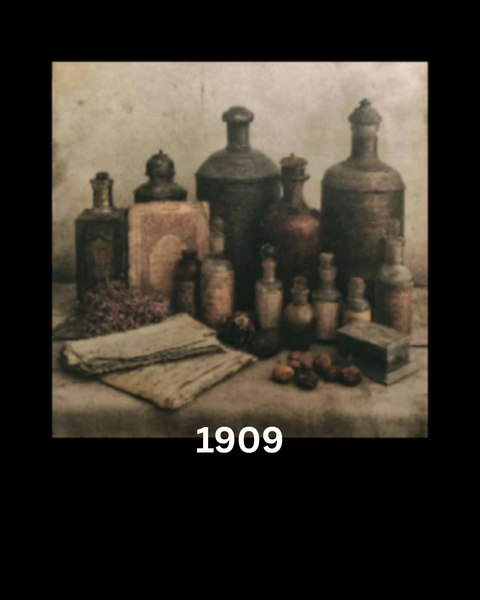
Attributed to Rafiq Nuri Efendi, this 1909 archive study preserves the bottles, notes, and rare materials prepared under Mehmet Al-Attar’s direction for Sultan Mehmed V’s private scent work.

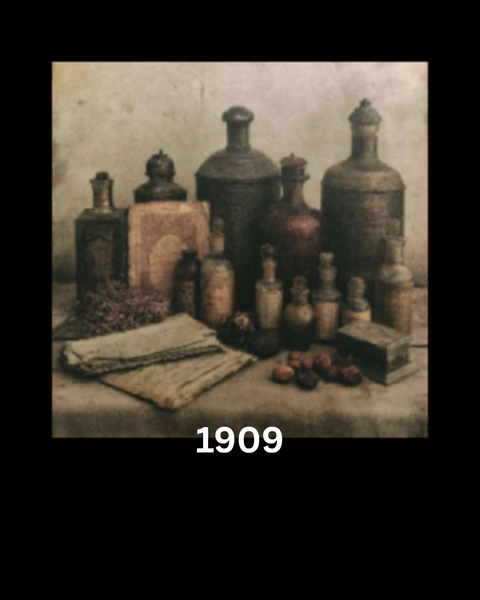
Attributed to Rafiq Nuri Efendi, this 1909 still-life study records the bottles, papers, and rare materials connected to Mehmet Al-Attar’s private perfume work for Ahmad Shah Qajar’s royal circle.