تفضل بزيارة مكتبتنا وقم بتنزيل كتب إلكترونية حصرية مجانية — انقر لاكتشافها وابدأ القراءة.
شجرة الحياة - الفصل الثالث - الحارس
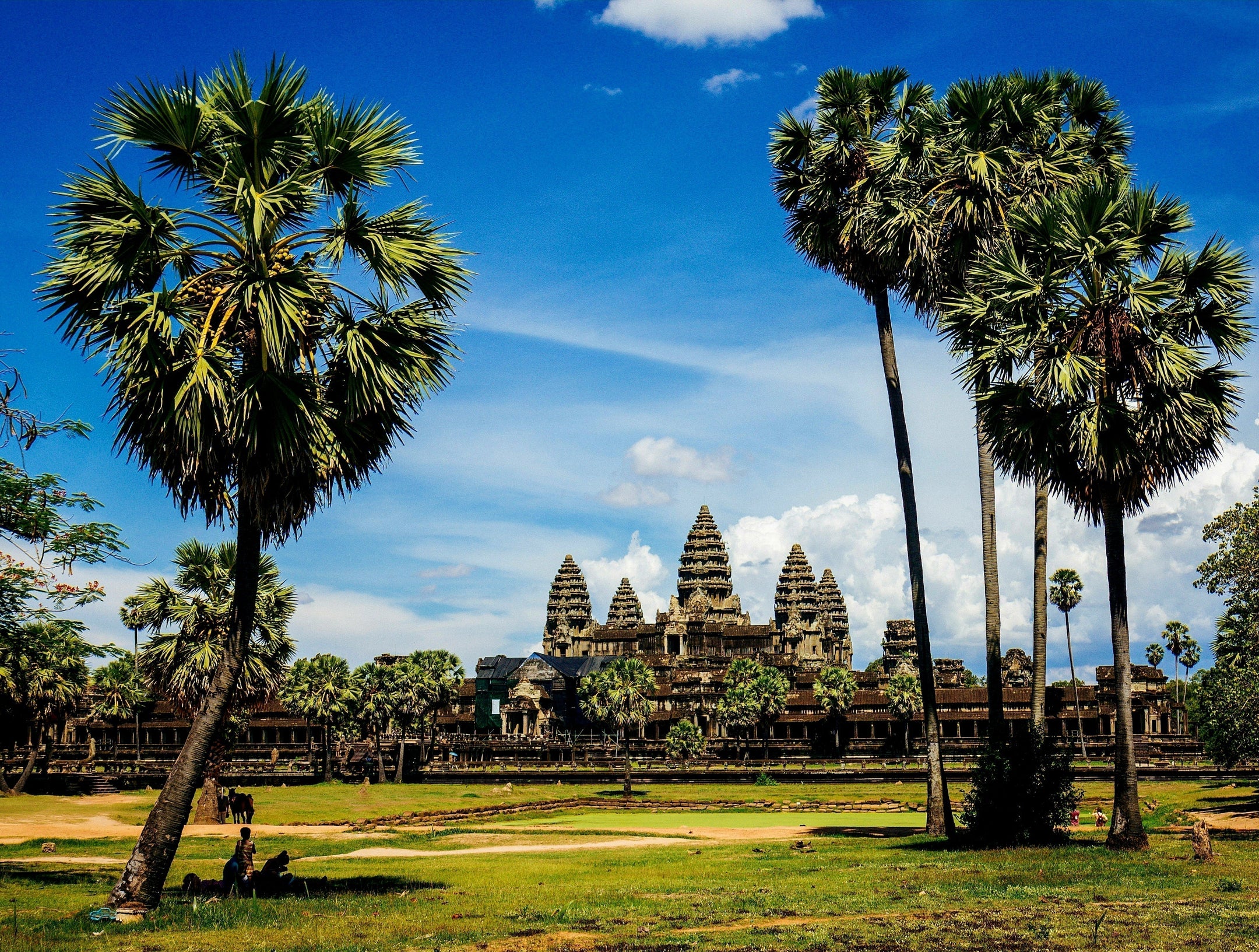
الفصل الثالث - كمبوديا: شجرة الحماية
كنز الكينام
شجرة عود (أكويلاريا) عمرها 200 عام
معبد وات بانغ كرادان – كمبوديا

بحلول الوقت الذي وصلت فيه إلى كمبوديا، كنت قد جمعت بالفعل عينات من اليابان، وراكمت صفحات من الملاحظات، ومنحت كيميائي عملاً يكفيه لجعله يشك في سلامة عقلي لأشهر.
ومع ذلك، كان لدي شعور بأن الرحلة قد بدأت للتو.
لقد علمتني اليابان معنى التبجيل.
وعلمتني أوساكا معنى الذاكرة.
أما كمبوديا، فستعلمني شيئاً آخر.
الحماية.
لم تكن الرحلة بحد ذاتها سهلة.
بعد الهبوط، امتد الطريق أمامنا لساعات.
كلما تعمقنا في السفر، بدا أن العالم الحديث يتلاشى خلفنا.
تغيرت المناظر الطبيعية تدريجياً.
تحولت المدن إلى بلدات.
تحولت البلدات إلى قرى.
تحولت القرى إلى غابات.
تباطأت وتيرة الحياة.
تغير الهواء.
تغيرت الأصوات.
وتغيرت الروائح، بشكل دراماتيكي.

حتى الوقت نفسه بدا وكأنه يتحرك بشكل مختلف.
غني عن القول، لم تكن هذه أكثر الرحلات رفاهية التي قمت بها على الإطلاق.
كانت هناك طرق أسهل لقضاء الإجازة. أعني أسهل بكثير.
لكن هناك لحظات تصبح فيها الراحة أقل أهمية من الفضول.
كانت هذه إحدى تلك اللحظات.
كانت وجهتي منطقة معبد نائية تشتهر بالآثار القديمة، والغابات الكثيفة، والتقاليد التي صمدت لأجيال.
كما كانت موطناً لواحدة من أكثر الأشجار استثنائية التي واجهتها على الإطلاق.
قبل رؤيتها بوقت طويل، سمعت قصصاً عنها.
القصة الأولى كانت تتعلق بالمال.
الكثير من المال.
انتشرت شائعات بأن رجل أعمال يابانياً عرض ملايين الدولارات لشراء الشجرة. تم تقديمها في العديد من الأفلام الوثائقية، وتحدث عنها جامعو التحف في دوائر مغلقة صغيرة.
لا أستطيع القول ما إذا كان الرقم قد تضخم عبر إعادة الرواية على مر السنين.
ما أستطيع قوله هو أن كل شخص تحدث عنها كان يفعل ذلك بجدية مطلقة.
القصة الثانية كانت أكثر إثارة للاهتمام.
كان السكان المحليون يعتقدون أن الشجرة تمتلك أهمية روحية عميقة.
ليست أهمية رمزية.
بل أهمية حقيقية.

كانت تقف بالقرب من طريق معبد قديم وكانت تعتبر حامية.
اعتقد الكثيرون أن كائنات روحية تسكن فيها أو حولها.
بينما اعتقد آخرون أنها تعمل كحارس لأراضي المعبد.
أياً كان ما اختار المرء تصديقه، كان هناك شيء واحد واضح:
كانت الشجرة تحظى باحترام عميق.
وعلى عكس العديد من الأساطير، جاءت هذه القصة ومعها دليل.
كانت الشجرة محمية على مدار أربع وعشرين ساعة في اليوم.
ليس بأسوار.
وليس بلافتات.
بل بأناس.
كان أفراد أمن مسلحون يحرسونها باستمرار.
في البداية، افترضت أن الحماية كانت ببساطة بسبب القيمة المالية للشجرة.
لاحقاً أدركت أنها كانت أكثر من ذلك بكثير.
بالنسبة للسكان المحليين، كانت هذه الشجرة تمثل شيئاً مقدساً.
شيئاً يستحق الحماية.
شيئاً لا يمكن تعويضه.
في المرة الأولى التي رأيتها فيها، فهمت فوراً السبب.
كانت الشجرة هائلة.
مهيبة.
عتيقة.
وعلى عكس أي شيء واجهته من قبل.
وصلت إلينا رائحتها قبل الوصول إلى الشجرة نفسها.
هذا بحد ذاته كان أمراً لافتاً.
معظم الأشجار لا تكشف عن رائحتها إلا عند الاقتراب منها عن كثب.
أما هذه، فقد أعلنت عن وجودها من مسافة بعيدة.
كلما اقتربت منها، أصبحت الرائحة أكثر استثنائية.
أتذكر توقفي عدة مرات لمجرد امتصاص تلك الرائحة.
ليس لتحليلها.
ليس لتصنيفها.
ليس لتفكيكها.
بل فقط لتجربتها.
لأن التحليل أحياناً يمكنه الانتظار.
أما الانبهار فلا ينبغي له ذلك.
بينما كنا نقف بالقرب من الشجرة، مر راهب مسن يرتدي رداءً أصفر بالجوار.

عبر مترجمنا، سألناه إن كان بإمكانه إخبارنا المزيد عنها.
استمع الراهب بعناية.
ثم ابتسم.
كانت إجابته هادئة ومدروسة.
وفقاً للمعتقد المحلي، أوضح، لم تكن هذه شجرة عادية.
كانت محمية بكائنات روحية.
ولهذا السبب لا يجب قطعها أبداً.
ولهذا السبب يجب احترامها.
ولهذا السبب ستدافع عنها الجماعة.
أوضح المترجم أنه على الرغم من أن العديد من الرهبان في المنطقة يعيشون ببساطة شديدة، ولا يملكون سوى القليل من ضرورياتهم اليومية، إلا أنهم سيظلون يحمون هذه الشجرة بأي ثمن.
ليس بسبب المال.
ليس بسبب المكانة.
بل لأنهم يعتقدون أن لها قيمة.
بقيت تلك المحادثة معي.
في عالم يكاد يكون لكل شيء فيه ثمن، كان من المنعش مواجهة شيء يرفض الناس تقييمه من منظور مالي. أشخاص لم يكن لديهم الكثير. أو لم يكن لديهم أي شيء!
بالنسبة لهم، كانت الشجرة لا تقدر بثمن.
ليس لأنها باهظة الثمن.
بل لأنها ذات معنى.
شرحت مشروعي للراهب عبر المترجم.
أريته العينات التي صنفتها بعناية والتي جمعتها خلال رحلاتي.
اليابان.
أوساكا.
أوراق.
أغصان.
ملاحظات.
تواريخ.
ملاحظات ميدانية.
فحص الراهب الأشياء بهدوء.
ثم أومأ برأسه.
دون قول الكثير، ابتعد.
بعد عدة دقائق، عاد وهو يحمل غصناً صغيراً وحفنة من الأوراق.
سلمني إياها بينما كان يتلو ما يبدو وكأنه صلاة أو بركة.
لا أستطيع أن أخبرك بالضبط بما قاله.
أنا لا أتحدث اللغة.
لكنني أتذكر الإخلاص الذي قاله به.
أوضح المترجم لاحقاً أن الراهب قد أعطى مباركته للمشروع.
هذا كان مجانياً، بالمناسبة.
نحن لا نفرض عليك رسوماً إضافية مقابل ذلك.
ما زلت أضحك في كل مرة أفكر فيها في تلك اللحظة.
لأنه حتى في واحدة من أكثر تجارب الرحلة روحانية، رفضت روح الدعابة لدي أن تأخذ إجازة.
للأسف، لم يكن التصوير الفوتوغرافي مسموحاً به.
واحترمت ذلك تماماً، باستثناء تلك التي تراها هنا :)
تصبح بعض اللحظات أكثر أهمية على وجه التحديد لأنها لم تُوثّق.
ليست كل ذكرى تحتاج إلى كاميرا. أو منشور على وسائل التواصل الاجتماعي (مدير وسائل التواصل لدينا لا يتفق معي)، لكنني أعتقد أن بعض الذكريات الخاصة مقدر لها أن تبقى بالضبط حيث تنتمي.

داخل العقل. والقلب.
أخبرنا أحد حراس الأمن لاحقاً أنهم أحبطوا محاولات متعددة من قبل أفراد حاولوا الحصول على أجزاء من الشجرة.
حاول البعض قطع الشجرة بأكملها.
بينما حاول آخرون إزالة أجزاء أكبر.
قيل إن بعض الحوادث تضمنت أفراداً مسلحين.
مرة أخرى، لا أستطيع التحقق بشكل مستقل من كل قصة.
لكن حقيقة وجود مثل هذه القصص كشفت عن مدى قيمة الشجرة في أعين الجامعين.
ثم كانت الرائحة.
الرائحة غيرت كل شيء.
كانت الشجرة تنتمي إلى عائلة الأكويلاريا.
هذا القدر كان معروفاً.
ومع ذلك، منذ اللحظة التي شممتها فيها، عرفت أن شيئاً ما كان مختلفاً.
مختلفاً بشكل استثنائي.
بعد عقود من العمل مع العود من جميع أنحاء العالم، تصبح أنماط معينة مألوفة.

لم تكن هذه الشجرة تتبع تلك الأنماط.
كان لعطرها عمق وثراء وتعقيد وعبير توابل وأناقة أعادت إلى ذهني بقوة "الكينام" - المعروف في اليابان باسم "كيارا" - وهو أندر وأثمن أنواع خشب العود الموجودة على الإطلاق. ويمكن القول إنه أحد أندر المواد الخام في العالم الطبيعي.
هل تم تأكيد ذلك علميًا؟
لا.
هل يمكنني إثبات ذلك بيقين؟
كذلك لا.
هل أنا خبير "كودو" ياباني؟ على الإطلاق.
وأريد أن أكون صادقاً بشأن ذلك.
هذا رأيي المهني كخبير عطور.
لا أكثر.
ولا أقل.
لكن يمكنني القول بثقة إنها لم تكن تشبه أي شجرة عود صادفتها من قبل.
فجأة، لم تعد الشائعات حول جامعي التحف الأثرياء الذين يعرضون مبالغ طائلة من المال تبدو مستحيلة. أستطيع رؤية أو شم السبب.
في الواقع، بدت قابلة للتصديق تماماً.
ومع ذلك، وبينما كنت أقف هناك، وجدت نفسي أفكر في شيء آخر.
لم تكن قيمة الشجرة في سعرها.
كانت قيمة الشجرة في قصتها.
في تاريخها.
في الاحترام لها.
في حمايتها.
في أجيال الناس الذين اختاروا الحفاظ عليها.
بعض الأشجار تحفظ الراتنج.
وأخرى تحفظ القصص.
وهذه الشجرة حفظت كليهما.
هدفي هو القدرة على تقديم العالم، أو على الأقل العالم الصغير جداً من الأشخاص الذين قد يحصلون على زيت من عندنا، لتجربة وجوهر تلك الشجرة، ليس الشجرة فحسب، بل الشعور أيضاً. لم أعد أعمل في مجال العطور، بل في الفن وعلوم الحواس.
عندما غادرت كمبوديا، حملت معي غصناً صغيراً.
بضع أوراق.
عدة صفحات من الملاحظات.
وبركة.
سيتم تحليل الغصن في النهاية.
ستتم دراسة الأوراق في النهاية.
سيتم إعادة ابتكار الرائحة في النهاية.
أو هذا ما كنت آمله على الأقل.
أما البركة، فقد كانت شيئاً مختلفاً.
ظلت معي طويلاً بعد أن اختفت العينات.
ومن الغريب أنها لا تزال معي حتى الآن.
في ذلك الوقت، كنت أعتقد أن كمبوديا ستكون الجزء الأكثر رسوخاً في الذاكرة من الرحلة.

لقد كنت مخطئاً.
لأن بالي كانت بانتظاري. مكان لن يختبر المشروع فحسب.
بل سيختبرني أنا أيضاً.
بطرق لم أتوقعها أبداً. فقد كدت أموت!